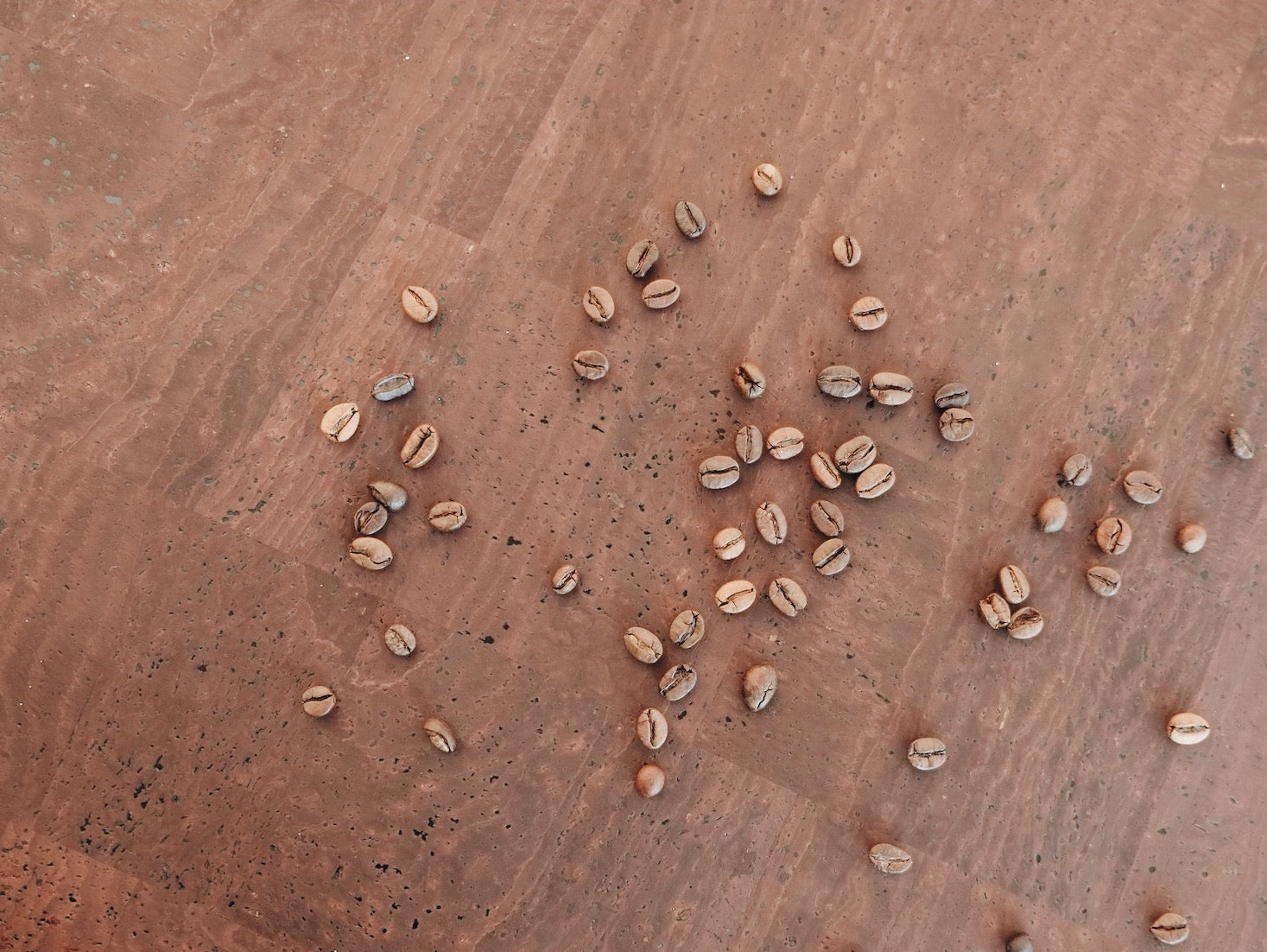
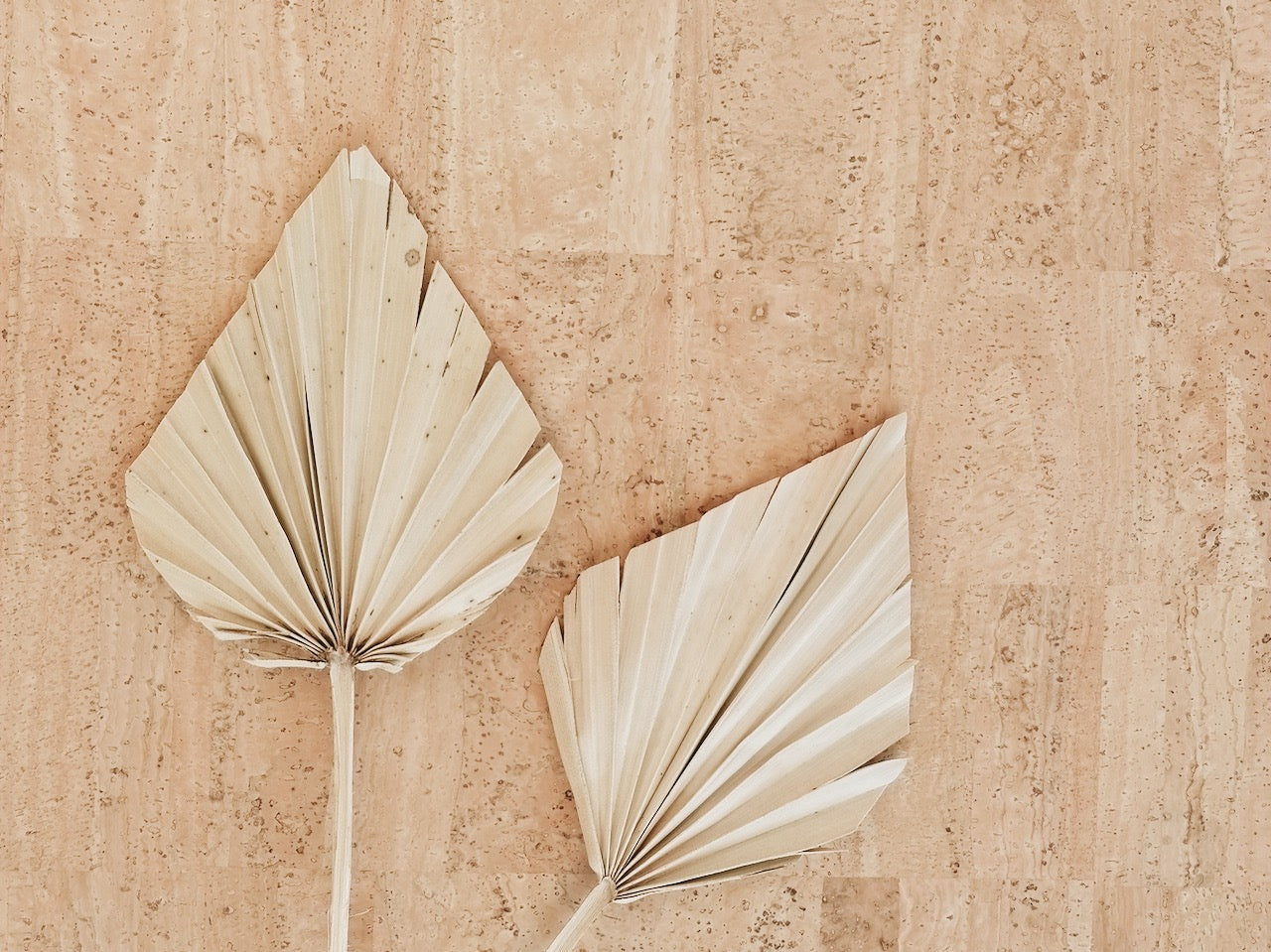

Cork fabric is lightweight and supple, yet robust and tear-resistant. Its surface is scratch-resistant, water-repellent, abrasion-resistant and stain-resistant. It can be cut, sewn, ironed, riveted, perforated, glued, painted, written on, stapled, die-cut and embossed, making it ideal for a wide range of DIY projects.
Like faux leather, cork leather has a textile backing. It does not crack or fray, so no edge finishing is required. Like animal leather, it develops its own patina. Our cork fabrics are approximately 1 mm thick.
-

Lightweight
More than half of cork’s volume consists of air, making it exceptionally light.
-

Elastic
Cork can be compressed to around half its width without losing its properties. After compression, it returns to its natural shape.
-

Water-Repellent
Its composition and cellular structure make cork water-repellent and largely stain-resistant.
-

Non-Toxic
One of cork’s key properties is that it is non-toxic and does not release hazardous compounds.
-

Hypoallergenic
Cork is hypoallergenic and suitable for people with asthma or sensitivity to fine airborne particles.
-

Recyclable
From the tree to the finished product, cork is recyclable and environmentally friendly.
-

Thermal Insulation
Cork is one of the oldest insulating materials. Its cellular structure absorbs heat and retains it for extended periods.
-

Fire-Resistant
Cork does not spread flames or release toxic gases when burned.



Sustainability
Cork is a renewable material harvested from the bark of cork oak trees. Removing the bark does not damage the tree. The first harvest takes place after 25 years, followed by a harvest every 9 years.
Cork is mainly harvested in Portugal, which accounts for 51% of world trade. Sourcing from Portugal reduces the need for long-distance imports.
Production and Environmental Aspects
Our cork fabric is made from cork sheets cut into thin layers and bonded to a textile backing. The size and density of the cork granules are carefully balanced to achieve elasticity, uniformity and tensile strength. The granules are thoroughly cleaned to remove hazardous substances.
The cork is pressed onto the textile backing with a formaldehyde-free, polyurethane-based adhesive that does not release hazardous compounds or pose a risk to human health. Cork is fire-retardant, does not spread flames and does not release toxic gases when burned. It is a natural material from renewable sources that can be recycled for many uses.

Care
Our cork leather is easy to clean with water. Blot stains immediately to remove them. Minor creases caused during shipping can be ironed out from the reverse side.